Best Online Ammo Deals This Week: Compare Prices on Bulk and In-Stock Ammunition
Ammo deals are the smart shooter’s quickest path to slashing your range-day budget in half. By stacking live price alerts with bulk-buy discounts, you lock in the specialty sports & supply lowest cost per round the moment it drops. Just set your caliber and target price, and the system hunts down the best offers for you—no endless tab-hopping, no wasted cash. Pull the trigger on a deal today and watch your ammo stash grow without draining your wallet.
How to Spot Genuine Savings on Bulk Ammunition
To spot genuine savings on bulk ammo deals, always calculate the **per-round cost after shipping**, not the sticker price. A flashy sale can hide brutal handling fees, so compare that final figure against your local store’s shelf price before you commit. Watch for deals that bundle free ammo cans or magazines—these add real value, but only if you’d actually buy them anyway. Be wary of “blowout” prices on 5.56 Ammo for Sale obscure calibers you don’t shoot; that’s not a saving, it’s a trap. **Check the price history** using tools like AmmoSeek, because a “40% off” tag often just marks a modest dip from an inflated baseline. *A genuine bargain quietly beats the average street price by 10–15%, not by shouting at you.* Finally, confirm the round count matches the box—some “bulk” packs shrink to 480 rounds, so do the math before you hit buy.

Calculating the True Cost Per Round Instead of Sticker Price

The sticker price on a bulk ammo deal is rarely the number that hits your wallet. To spot genuine savings, you must calculate the true cost per round by dividing the total order total—including shipping, taxes, and any handling fees—by the exact number of rounds in the case. A $300 price for 500 rounds looks great until $25 shipping .17 WSM Ammo for Sale bumps it to $0.65 per round, which might be worse than a local box at $0.60. Also, factor in potential rebates or bulk-tier discounts that lower the effective price. Always compare this final unit cost against your usual target price; only then can you judge if the “deal” actually saves you money.
Why Free Shipping Thresholds Can Make or Break a Deal
Free shipping thresholds often determine whether a bulk ammunition purchase is a genuine bargain or a hidden loss. A $200 threshold forces you to calculate the per-round cost after adding shipping, since paying $15 to ship a $180 order erases the savings from a discounted case. Conversely, hitting a threshold by adding a few extra boxes can drop your effective cost per round below the advertised price, turning a mediocre deal into a smart bulk ammunition purchase. Always verify the threshold against your actual needs—overbuying to save on shipping wastes money on ammo you may never shoot, while falling short means absorbing fees that negate discounts.
Free shipping thresholds shift the true cost per round, so they decide if a bulk ammo deal saves or costs you money.

Recognizing When a “Sale” Is Just Inflated Retail Pricing

To spot inflated retail pricing on bulk ammunition, first establish the true market baseline per round across at least three reputable online retailers, excluding sale banners. A “deal” that brings the price down to that baseline is not a genuine saving—it is a psychological anchor. Check the “was” price: if it exceeds the highest legitimate MSRP for that caliber and brand, the discount is fabricated. Track the same SKU over several weeks using a price-history tool; a sudden 20% drop after a 10% price hike signals artificial inflation. Price-per-round is the only reliable metric. If the per-round cost after discount equals or exceeds the average of your baseline, skip it and wait for a real clearance.
- Calculate the average price per round from 3–5 non-sale listings.
- Compare the sale price to that average, not to the displayed “original.”
- Verify the original price against manufacturer’s suggested retail data.
Best Times to Stock Up and When to Hold Off
Snagging the best ammo deals means playing the calendar, not just the sales. Stock up hard right after major holidays like Black Friday or Independence Day, when retailers clear overstocked inventory and rebates are still live. Late summer 5.7x28mm Ammo for Sale is also prime—before hunting season spikes demand, prices often dip. Hold off right before election years or major political events, when panic-buying inflates prices and shelves get stripped. Also, skip the rush after any mass shooting—waiting a few weeks usually brings prices back down. If you see a deal below 30 cents per round for 9mm, buy in bulk, but only if you have the cash; don’t stock up on credit card interest that eats your savings. Finally, hold off during late fall when demand peaks—you’ll pay top dollar for the same box you’d get cheaper in January.
Seasonal Clearance Cycles That Actually Lower Prices
Retailers clear overstocked ammunition after major hunting seasons, typically in late January and February, to free warehouse space. During these post-season clearance windows, slow-moving calibers like .270 Win or 30-06 often drop 15–20% below summer pricing. A second dip occurs in late summer, when distributors shed inventory before fall restocks; look for off-caliber discounts on less popular grain weights or box counts. Avoid clearance during panic-buying spikes, as discounts vanish. Check store-specific markdown schedules, as big-box chains cycle clearance monthly, while online sellers align with quarterly inventory audits—compare both before buying bulk.
How New Product Releases Drop Prices on Older Cartridges
When a manufacturer launches a fresh caliber, retailers slash prices on existing inventory to free up shelf space and cash flow. That’s your cue to grab older cartridge deals at 20–40% off, often within weeks of a release. Watch for clearance flags on legacy loads—like when a new bullet profile hits the market, discontinued boxes drop fast. Pair this with seasonal promos, and you’ll stack discounts on aging stock that still shoots perfectly. Don’t wait for the hype to fade; buy the “old” round the moment the new one lands, because distributors 7.62x54R Ammo for Sale dump surplus immediately.
New product launches trigger immediate price cuts on older cartridges, making release day a prime window for bargain ammo buys.
Understanding Rebate Windows and Mail-In Offer Timelines
Rebate windows for ammunition are rigidly scheduled, often lasting only 30–60 days, so you must verify the start and end dates *before* adding items to your cart. Mail-in offer timelines demand strict adherence to postmark deadlines and submission forms, as late entries are automatically rejected without exception. Understanding rebate windows and mail-in offer timelines prevents lost savings when a promo quietly expires mid-week and you only notice after payment. Track your purchase date against the rebate’s cutoff, then photograph your receipt and UPC immediately, since most retailers won’t reissue paperwork after the window closes. Processing can take 8–12 weeks, so budget that cash as unreachable until the check or card actually arrives. Set a calendar reminder for the final submission day, not the purchase day, to avoid missing the mail-in deadline.
Rebate windows and mail-in timelines are fixed; verify dates, submit early, and wait 8–12 weeks for reimbursement.
Where the Deepest Discounts Hide Online
The deepest discounts on ammo hide in the clearance and “scratch-and-dent” sections of major online retailers, not on their front pages. You have to dig into the weekly email blasts, specifically the “overstock” links that appear for a few hours on Tuesday mornings. Where the deepest discounts hide online is inside the bulk-buyer forums, where members post price-matching codes from competing sites that last only minutes. I once scored 500 rounds of 9mm for 22 cents a round because a forum user flagged a pricing error on a regional distributor’s mobile site—nobody on the desktop version saw it.
The real trick is checking the “reloads and reman” tab on smaller vendors at 2 a.m., when they update damaged-box inventory.
Those listings never show up in search engines, only as direct links from past order confirmations.
Using Price Comparison Tools Built for Ammunition Shoppers
Ammo-specific price comparison tools aggregate live inventory from dozens of online retailers, filtering out out-of-stock listings and showing final cost per round after shipping. Unlike generic shopping engines, these platforms scrape calibers like 9mm, 5.56, or .308 directly, letting you sort by CPR, including taxes, and flag hidden bulk discounts or free-shipping thresholds. Set alerts for your target round; many tools email you when a price drops below your set ceiling. Bookmark a site that lets you exclude remanufactured ammunition if you prefer new brass. Because most of these tools update hourly, checking them right before checkout—rather than going retailer-by-retailer—is the fastest way to lock in a deal that’s actually live, not a bait-and-switch lead.
Membership-Only Warehouses vs. Public Retailers for Bulk Orders
For bulk ammo orders, membership-only warehouses like Costco or Sam’s Club rarely stock ammunition, making public retailers—especially online specialists—your primary source for case lots. Public retailers often offer tiered bulk pricing discounts that rival warehouse club savings, without annual fees. However, shipping costs on heavy ammo cases can erase those discounts unless you hit free-shipping thresholds. Compare per-round costs directly: a public retailer’s 1,000-round case at $0.42/round beats a warehouse’s occasional $0.45/round pallet deal if you factor in membership fees and limited caliber selection. Q: Are membership-only warehouses ever better than public retailers for bulk ammo? A: Only for non-ammo supplies (targets, storage) bundled with a membership; for ammunition itself, public online retailers consistently offer deeper per-round savings and broader bulk options.
Evaluating Lesser-Known Distributors Without Getting Burned
Scoring the deepest ammo discounts often means straying from the big-box names, but that’s where you need your wits about you. Before punching in card details, verify the site’s physical address and phone number—if it’s just a Gmail contact, walk away. Cross-check their reputation on forums like Reddit’s r/gundeals; a single recent complaint about “ghost orders” is a red flag. Start with a tiny test order (one box, not a case) to gauge shipping speed and packaging. Also, pay with a credit card—never debit—so you can dispute a no-show order. **Trust but verify the payment gateway**; if it feels sketchy, it is.
Q: How do I test a lesser-known distributor without losing money?
A: Place a micro-order first, use a credit card for chargeback protection, and confirm their customer service actually replies before you commit to bulk savings.
Buying Surplus vs. Factory New for Maximum Value
For sheer maximum value in ammo deals, surplus rounds usually crush factory new on price per trigger pull, but only if you’re willing 7.62×39 Ammo for Sale to gamble on corrosive primers and inconsistent lot quality. Factory new ammo from reputable brands costs 20–40% more upfront, yet delivers predictable accuracy and reliable extraction—critical for defensive loads or precision work where a dud round wastes range time. Surplus shines for high-volume plinking or training drills where minor malfunctions are acceptable, but always inspect the packaging date and avoid steel-cased batches with visible rust or green corrosion.
The real value play is buying factory new on rebate or bulk discount codes, then stockpiling surplus only for guns you don’t mind cleaning obsessively.
Ultimately, match the ammo’s purpose to your risk tolerance—never overpay for match-grade precision in a beater rifle, and never trust your carry piece to bargain-basement surplus.
What to Check Before Committing to Military Surplus Lots
Before you jump on a military surplus lot, check the headstamp and lot numbers to confirm the cartridge’s true age and manufacturer—older brass often hides corrosion under the sealant. Inspect the primer pockets and case necks for cracks or green verdigris, which signal bad storage. Pull a few bullets to see if the powder smells acrid or looks clumped; that’s a dealbreaker. Also, verify the ammo can’s seal and look for rust rings on the rims—these point to moisture cycles. Finally, ask for a return policy on unopened cans; most surplus sellers won’t take back damaged rounds.
Always verify headstamp, case condition, powder integrity, and moisture exposure before paying for a military surplus 7mm PRC Ammo for Sale lot.
Matching Ammo Condition to Your Intended Use (Range vs. Carry)
When you spot a screaming deal on ammo, stop and think about where those rounds will actually live. For range-only plinking, slight cosmetic dings, tarnished brass, or even a little bullet setback won’t matter—you’re burning through them in a few hours, and factory-new is a waste of cash. But for carry ammo, condition is non-negotiable: you need flawless primers, consistent bullet seating, and zero corrosion, because a malfunction in a defensive scenario is catastrophic. Buying surplus or discounted loose rounds for your pistol? Reserve those strictly for practice. If you rotate carry ammo annually, buy factory-new in sealed boxes, and follow this simple rule:
- Check the lot date and packaging for any signs of moisture or rust.
- Inspect 10% of the rounds for setback or cracked necks.
- Test-fire a full magazine from your actual carry gun before trusting it.
Cheap deals are great, but never let a bargain dictate your self-defense loadout.
When Remanufactured Rounds Make Financial Sense
Remanufactured rounds make financial sense when you prioritize high-volume practice over match-grade precision. If you burn through 500 rounds monthly for drills, remanufactured ammunition—which uses once-fired brass, new primers, and fresh powder—delivers identical ballistics 7.62×51 Ammo for Sale at 30–50% less cost than factory new. The savings compound only if you verify the remanufacturer’s QC process: ask for headspace gauging and pressure testing reports. Buy them in bulk during sales, but reserve them for plinking, malfunction drills, or zeroing optics within 25 yards. Never use remanufactured loads for concealed carry or long-range shooting. To maximize value:
- Confirm the brass is non-crimped and resized to SAAMI specs.
- Limit your purchase to one lot and test 20 rounds for cycling reliability.
- Compare per-round cost against factory new—if savings exceed 40%, it’s a winner.
When your goal is trigger time, not trophy groups, remanufactured rounds are the smartest dollar-per-round deal available.
Strategies to Lock in Low Prices Before They Climb
To lock in low prices before they .17 HMR Ammo for Sale climb, bulk ammo purchases are your first line of defense, as per-round costs drop dramatically when you buy cases instead of boxes. Set up price alerts on major ammo deal sites and act the moment a deal hits a historical low, rather than waiting for a better discount that may never come. Stack coupon codes with free shipping thresholds to shave extra dollars off the total, and use cashback portals to recoup a percentage on top of already-reduced prices. Pre-order backordered calibers at current prices before restocks trigger markups, and consolidate orders to hit free-shipping minimums. Finally, rotate your stock—shoot the oldest rounds first—so your locked-in reserve stays fresh while you continuously replace it at the next low-price window.
Setting Price Alerts That Trigger at Your Target Cost
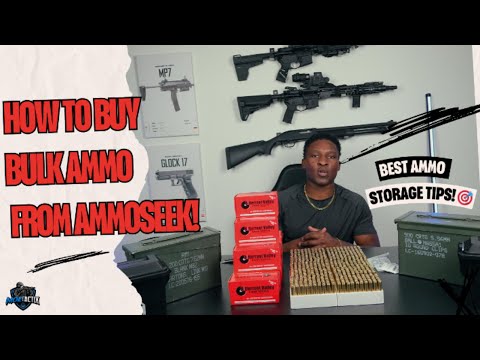
Set price alerts at your exact cost-per-round threshold, not just a percentage drop, to lock in ammo before demand spikes. Most major ammo retailers and aggregators like AmmoSeek allow custom alert triggers; configure these for specific calibers and bullet weights, then act immediately when the notification fires. Time-sensitive ammo deals vanish within hours, so pre-authorize payment methods and have shipping addresses saved to complete checkout in under two minutes. A delayed response to an alert often means the stock is already gone, even if the price remains listed.
Q: Should I set alerts for multiple retailers simultaneously?
A: Yes, but only for the same target cost per round; duplicate alerts from different vendors let you compare real-time availability and choose the fastest shipping option, avoiding wasted effort on out-of-stock listings.
Combining Coupons, Cashback Portals, and Store Credit for Extra Cuts
Stacking cashback portals with ammo coupons before store credit lands is the real money move. Start by checking a portal like TopCashback or Rakuten for elevated rates on your preferred ammo retailer, then apply a manufacturer rebate or site-wide promo code at checkout. Once your order ships, that store credit from a previous return or price-match guarantee can chip away at the next bulk purchase—just verify credit doesn’t void your cashback eligibility before paying. Use credit first on small accessories, then save coupons for high-ticket ammo cases, so every layer trims the final per-round cost without breaking store rules.
Layer cashback portals, coupons, and store credit in that order to slash ammo prices before shipping costs eat your savings.
How Many Rounds You Should Actually Buy to Maximize Per-Unit Savings
To maximize per-unit savings, calculate the price-per-box breakpoint where bulk discounts plateau—often around 500 rounds for common calibers like 9mm or .223. Buying 1,000 rounds rarely halves the cost further; the Ammo Cans & Storage for Sale curve flattens after shipping and handling fees are absorbed. Instead, target the quantity where the marginal discount drops below 1 cent per round, then stop. Bulk ammo purchases yield optimal savings at the 500–750 round threshold, depending on retailer tiered pricing. Overbuying beyond that point ties up capital without meaningful per-round reduction.
- Compare cost-per-100 for 250, 500, and 1,000 round boxes to spot the plateau.
- Factor flat-rate shipping into per-unit cost—this pushes the sweet spot slightly higher.
- Match order size to your typical monthly range volume to avoid storing excess.